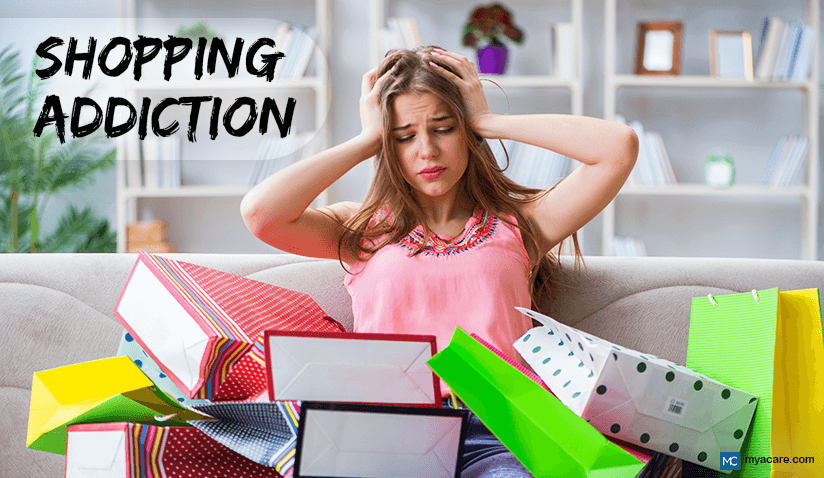
Healing the Root Causes of Compulsive Shopping Addiction Through Personalized Treatment

Compulsive shopping addiction is about much more than spending too much money. While financial consequences are often the most visible symptom, the true roots of compulsive buying usually lie beneath the surface. Emotional pain, chronic stress, anxiety, depression, trauma, and unresolved personal struggles can all contribute to a pattern of shopping that feels impossible to control. Simply cutting up credit cards or creating a budget may help temporarily, but lasting recovery requires addressing the deeper issues that drive the behavior. Through personalized treatment that focuses on the whole person, healing becomes not only possible but sustainable.

At PopUGG2U, we believe that every recovery journey is unique. Our compassionate approach combines addiction recovery services, mental health treatment, inpatient and outpatient care, and holistic and faith-based support to help individuals heal from the inside out.

Understanding the Root Causes of Compulsive Shopping Addiction

Compulsive shopping addiction, sometimes referred to as compulsive buying disorder, is a behavioral addiction marked by repeated urges to shop despite harmful consequences. While the behavior centers on spending, the underlying motivation is often emotional rather than material.

Many individuals do not shop because they need more possessions. Instead, they shop because buying something new temporarily changes how they feel. The excitement of a purchase may briefly replace sadness, reduce anxiety, or provide a sense of comfort. Unfortunately, these feelings rarely last, creating a cycle that repeats itself.

Looking Beyond the Behavior

Treating compulsive shopping effectively means asking an important question: “What emotional need is shopping trying to fulfill?”

When treatment focuses only on reducing spending, the underlying emotional struggles often remain. Addressing those deeper concerns allows individuals to develop healthier ways of coping and creates a stronger foundation for long-term recovery.

Common Emotional and Mental Health Factors

Every individual experiences addiction differently, but several underlying challenges commonly contribute to compulsive shopping.

Anxiety and Chronic Stress

Many people use shopping as a way to escape overwhelming thoughts or daily pressures. Purchasing something new may provide a temporary sense of calm or control, but the relief quickly fades.

Depression

Depression can leave individuals feeling emotionally drained or disconnected. Shopping may create a brief feeling of excitement that temporarily interrupts emotional numbness.

Trauma and Unresolved Experiences

Past emotional trauma can significantly influence coping behaviors. Some individuals turn to shopping to distract themselves from painful memories or unresolved emotional wounds.

Low Self-Esteem

People struggling with self-worth may believe that buying new clothes, technology, or luxury items will improve how they feel about themselves. While purchases may provide temporary confidence, lasting self-esteem comes from emotional healing rather than material possessions.

Loneliness and Emotional Isolation

Shopping can become a substitute for emotional connection. Browsing stores or shopping online may temporarily ease feelings of loneliness without addressing the need for genuine relationships and support.

Why Personalized Treatment Matters

No two people experience compulsive shopping addiction in exactly the same way. Each person has unique emotional experiences, mental health needs, family dynamics, and recovery goals.

Personalized treatment recognizes these differences by creating an individualized plan that addresses the specific factors contributing to the addiction.

Instead of focusing solely on stopping the behavior, personalized care helps individuals understand why the behavior developed in the first place.

Evidence-Based Therapies That Support Recovery

Professional treatment provides practical tools that help individuals replace unhealthy coping patterns with healthier behaviors.

Cognitive Behavioral Therapy

Cognitive Behavioral Therapy is widely recognized as one of the most effective treatments for behavioral addictions. It helps individuals:

  • Identify emotional triggers.
  • Recognize unhealthy thought patterns.
  • Develop healthier responses to stress.
  • Strengthen decision-making skills.
  • Reduce impulsive behaviors.

As individuals gain insight into their thinking, they become better equipped to make intentional choices rather than emotional reactions.

Mental Health Treatment

Many individuals struggling with compulsive shopping also experience anxiety, depression, trauma, or other mental health conditions. Treating these concerns alongside the addiction improves both emotional wellness and long-term recovery outcomes.

Inpatient and Outpatient Treatment Options

Different people require different levels of support during recovery.

Inpatient Care

Inpatient treatment provides a structured environment where individuals can fully focus on healing without the distractions and triggers of daily life. Intensive therapy, peer support, and comprehensive care help establish a strong recovery foundation.

Outpatient Care

Outpatient programs allow individuals to continue work, school, and family responsibilities while participating in therapy and counseling sessions. This flexible approach provides ongoing support while individuals apply new skills in everyday situations.

At PopUGG2U, treatment recommendations are tailored to each person’s unique needs and circumstances.

Healing Through Holistic and Faith-Based Care

Recovery extends beyond managing behaviors. It involves strengthening emotional, physical, and spiritual well-being.

Holistic therapies may include:

  • Mindfulness practices
  • Stress reduction techniques
  • Wellness education
  • Healthy lifestyle development
  • Emotional regulation skills

For individuals seeking spiritual support, faith-based care offers opportunities to strengthen hope, purpose, forgiveness, and resilience throughout the recovery journey.

Building Healthy Coping Skills for Lasting Change

Replacing compulsive shopping with healthier coping strategies is one of the most important parts of recovery.

Individuals often benefit from:

  • Journaling emotional experiences.
  • Practicing mindfulness before making purchases.
  • Exercising regularly to reduce stress.
  • Building supportive relationships.
  • Creating realistic financial goals.
  • Continuing therapy and recovery support.

Over time, these habits become healthier alternatives to emotional spending and contribute to greater emotional stability.

Recovery Is About More Than Stopping Shopping

Successful recovery is not measured only by spending less money. It is measured by improved emotional health, stronger relationships, increased confidence, healthier coping skills, and a renewed sense of purpose.

When individuals understand the emotional reasons behind compulsive shopping, they gain the ability to make lasting changes that extend into every area of life.

Conclusion

Compulsive shopping addiction is rarely just about buying things. It is often a response to emotional pain, mental health challenges, or unresolved life experiences. Lasting recovery requires more than controlling spending. It requires compassionate care that addresses the root causes driving the behavior.

At PopUGG2U, our personalized approach to addiction recovery combines evidence-based therapy, comprehensive mental health treatment, inpatient and outpatient programs, and holistic and faith-based care to support healing at every level. If you or someone you love is struggling with compulsive shopping addiction, seeking professional support today can be the first step toward emotional wellness, healthier coping strategies, and lasting recovery.

The Financial and Emotional Costs of Compulsive Buying: When It Is Time to Seek Help

Compulsive buying is often dismissed as a spending habit or poor financial decision-making, but for many individuals, it is a complex behavioral addiction rooted in emotional distress and mental health challenges. While the excitement of making a purchase may provide temporary relief, the emotional and financial consequences can quickly become overwhelming. Mounting debt, damaged relationships, feelings of shame, and increasing anxiety often create a cycle that feels impossible to escape. Recognizing the true cost of compulsive buying is the first step toward seeking meaningful help and beginning the journey to recovery.

At PopUGG2U, we understand that addiction is about more than the behavior itself. Through compassionate addiction recovery services, mental health treatment, inpatient and outpatient programs, and holistic and faith-based approaches, we help individuals address the underlying causes of compulsive buying while building the skills needed for long-term healing.

Understanding Compulsive Buying

Compulsive buying, also known as compulsive buying disorder or shopping addiction, is a behavioral addiction characterized by repeated urges to purchase items despite harmful consequences. Unlike occasional impulse shopping, compulsive buying is driven by emotional needs rather than practical necessity.

Individuals often shop to relieve stress, reduce anxiety, cope with loneliness, or temporarily improve their mood. Although buying something new may create a brief sense of satisfaction, those positive feelings usually disappear quickly, leaving guilt, regret, and emotional distress behind.

Why Compulsive Buying Becomes a Cycle

Compulsive buying often follows a predictable emotional pattern:

  • Emotional stress or discomfort develops.
  • The urge to shop becomes stronger.
  • Purchasing creates temporary emotional relief.
  • Guilt, shame, or financial worry follows.
  • Emotional distress increases, leading to another urge to shop.

Without addressing the emotional triggers beneath the behavior, this cycle can continue for months or even years.

The Financial Costs of Compulsive Buying

One of the most visible consequences of compulsive shopping is financial instability. However, many individuals hide these struggles because of embarrassment or fear of judgment.

Growing Credit Card Debt

Repeated impulse purchases often result in increasing credit card balances that become difficult to repay. Interest charges and late fees can make financial recovery even more challenging.

Difficulty Meeting Financial Responsibilities

Money spent on unnecessary purchases may leave fewer resources available for essential expenses, including housing, utilities, groceries, or healthcare.

Hidden Spending and Financial Secrecy

Many individuals begin concealing purchases, opening additional credit accounts, or avoiding conversations about money. Financial secrecy can place tremendous strain on relationships and increase emotional stress.

Long-Term Financial Stress

Persistent debt can delay important life goals such as buying a home, saving for retirement, or building financial security. The longer compulsive buying continues, the greater the long-term impact may become.

The Emotional Costs of Compulsive Buying

While financial consequences are significant, the emotional effects are often even more damaging.

Anxiety and Chronic Stress

Constant worry about finances, debt, or hiding purchases can contribute to ongoing anxiety. Many individuals experience emotional exhaustion as they struggle to manage both the addiction and its consequences.

Guilt and Shame

Feelings of regret frequently follow compulsive purchases. Individuals may criticize themselves harshly or believe they lack self-control, making it even harder to ask for help.

Depression

Compulsive buying can contribute to depression by creating feelings of hopelessness, isolation, and disappointment. The temporary emotional lift from shopping becomes increasingly ineffective over time.

Relationship Difficulties

Financial secrecy, broken trust, and ongoing conflict about spending often place significant strain on marriages, families, and close friendships. Loved ones may struggle to understand the behavior, while the individual may feel misunderstood or judged.

When Is It Time to Seek Help?

Many people wonder whether their shopping habits have become serious enough to require professional treatment. Seeking help early can prevent additional emotional and financial harm.

Shopping Feels Impossible to Control

If repeated attempts to stop shopping have been unsuccessful, professional support may be beneficial.

Spending Is Creating Financial Hardship

Difficulty paying bills, increasing debt, or relying on credit to maintain spending are important warning signs.

Emotional Distress Continues to Grow

If shopping is being used to manage anxiety, sadness, loneliness, or stress, addressing the emotional causes is essential for lasting recovery.

Relationships Are Being Affected

Arguments about money, hiding purchases, or withdrawing from loved ones may indicate that compulsive buying has become a significant concern.

How Professional Treatment Can Help

Recovery involves much more than simply reducing spending. Effective treatment addresses the emotional, psychological, and behavioral factors that contribute to compulsive buying.

Individual Therapy

Evidence-based therapies, including Cognitive Behavioral Therapy, help individuals identify emotional triggers, recognize unhealthy thinking patterns, and develop healthier coping strategies.

Mental Health Treatment

Because compulsive buying often occurs alongside anxiety, depression, trauma, or other mental health conditions, comprehensive treatment addresses both the addiction and any co-occurring concerns.

Inpatient and Outpatient Care

At PopUGG2U, treatment plans are tailored to each individual’s unique needs.

Inpatient care provides structured support and intensive therapy for individuals who need a focused healing environment.

Outpatient programs offer flexibility while providing consistent counseling, education, and accountability for individuals balancing recovery with daily responsibilities.

Holistic and Faith-Based Approaches

Healing often involves caring for the whole person. Holistic therapies may include mindfulness, stress management, wellness practices, and emotional regulation techniques. For those who desire spiritual support, faith-based care can provide encouragement, hope, and purpose throughout recovery.

Taking the First Step Toward Recovery

Recovery from compulsive buying is possible. Although the journey may feel overwhelming at first, every positive change begins with acknowledging the problem and reaching out for support.

Building healthier habits may include:

  • Identifying emotional spending triggers.
  • Creating practical financial boundaries.
  • Learning healthy coping skills.
  • Participating in therapy and support programs.
  • Strengthening relationships with trusted family members and friends.

Each step helps build confidence, emotional resilience, and long-term recovery.

Conclusion

The financial and emotional costs of compulsive buying can affect every aspect of a person’s life, from personal relationships to mental well-being and financial security. Fortunately, these challenges do not have to define the future. With compassionate care, evidence-based treatment, and individualized support, lasting recovery is within reach.

At PopUGG2U, we are committed to helping individuals heal beyond the addiction itself. Through personalized mental health treatment, addiction recovery services, inpatient and outpatient care, and holistic and faith-based approaches, we empower each person to build healthier coping strategies and reclaim control over their life. If compulsive buying has become difficult to manage, reaching out for professional support today can be the beginning of a healthier, more hopeful tomorrow.

Why Compulsive Shopping Feels Impossible to Stop and What Recovery Can Look Like

For many people struggling with compulsive shopping addiction, the experience can feel confusing and overwhelming. They may understand that spending is causing stress, financial problems, or relationship challenges, yet the urge to shop continues to return. This is because compulsive shopping is rarely just about buying things. It is often connected to emotional needs, mental health challenges, and learned coping patterns that make the behavior feel difficult to control. Understanding why compulsive shopping feels impossible to stop is the first step toward finding effective recovery solutions.

At PopUGG2U, we recognize that addiction recovery requires more than addressing the behavior itself. Through compassionate mental health treatment, inpatient and outpatient care, and individualized approaches that include holistic and faith-based support, individuals can begin healing the deeper causes behind compulsive shopping and develop healthier ways to cope.

Understanding Why Compulsive Shopping Becomes Difficult to Control

Compulsive shopping addiction, also known as compulsive buying disorder, is a behavioral addiction where individuals experience repeated urges to shop despite negative consequences. The behavior often provides temporary emotional relief, making it difficult to break.

Shopping may create feelings of excitement, comfort, or control. However, those feelings usually fade quickly, leaving behind guilt, regret, or anxiety. This creates a cycle that reinforces the desire to shop again.

The Cycle of Emotional Spending

Many individuals experience a pattern like this:

  1. An uncomfortable emotion appears, such as stress, sadness, or loneliness.
  2. Shopping creates a temporary sense of relief.
  3. Guilt or financial concerns appear afterward.
  4. Emotional distress increases.
  5. The urge to shop returns as a way to cope.

Without addressing the emotional triggers behind the behavior, the cycle can continue.

The Mental Health Factors Behind Compulsive Shopping

Compulsive shopping often develops alongside emotional and psychological challenges. Recognizing these connections can help individuals understand that recovery requires addressing the whole person.

Stress and Anxiety

Stress and anxiety can create a strong desire for distraction or comfort. Shopping may temporarily quiet anxious thoughts or provide a sense of control during difficult moments.

However, because shopping does not resolve the original stress, the emotional discomfort often returns.

Depression and Emotional Pain

For individuals experiencing depression, shopping can create a brief emotional boost. The anticipation of a purchase may provide excitement during periods of sadness or low motivation.

Over time, though, the behavior can contribute to more emotional distress.

Trauma and Coping Patterns

Some individuals develop compulsive shopping habits as a way to manage unresolved emotional pain or past experiences. Shopping may become a way to avoid difficult feelings rather than process them.

Low Self-Esteem

Purchasing new items can sometimes create a temporary feeling of confidence or self-improvement. However, relying on external purchases for self-worth often leads to disappointment and continued emotional struggles.

Why Willpower Alone Often Is Not Enough

Many people with compulsive shopping addiction feel frustrated because they have tried to stop before. They may believe they simply need more discipline, but addiction is more complex than making a choice to stop.

Compulsive behaviors are influenced by brain chemistry, emotional triggers, habits, and mental health factors. This is why professional treatment and support can make such an important difference.

What Recovery From Compulsive Shopping Can Look Like

Recovery is not about eliminating every desire to shop. Instead, it involves learning how to respond to emotions and urges in healthier ways.

Identifying Triggers

A major part of recovery is understanding what situations, thoughts, or emotions lead to shopping urges. Increased awareness helps individuals recognize patterns before acting on them.

Developing Healthy Coping Skills

Treatment helps individuals replace shopping with healthier emotional tools, such as:

  • Mindfulness practices
  • Stress management techniques
  • Journaling
  • Physical activity
  • Healthy social connections
  • Emotional regulation strategies

These tools help individuals manage difficult emotions without relying on spending.

Cognitive Behavioral Therapy

Cognitive Behavioral Therapy is commonly used in addiction recovery because it helps individuals identify harmful thought patterns and develop healthier responses.

Through therapy, individuals can learn:

  • Why certain urges appear
  • How thoughts influence behaviors
  • How to manage emotional triggers
  • How to make more intentional choices

Treatment Options for Compulsive Shopping Addiction

The right level of care depends on each individual’s needs, challenges, and recovery goals.

Inpatient Treatment

Inpatient care provides a structured environment where individuals can focus fully on healing. This approach may be helpful for those experiencing severe compulsive behaviors, emotional distress, or co-occurring mental health concerns.

Outpatient Treatment

Outpatient programs offer ongoing support while allowing individuals to continue daily responsibilities. Therapy and recovery services help individuals practice new skills in real-life situations.

At PopUGG2U, treatment is personalized to support each person’s unique recovery journey.

Holistic and Faith-Based Approaches to Healing

Long-term recovery often involves healing the emotional, mental, physical, and spiritual aspects of life.

Holistic care may include:

  • Mindfulness and emotional awareness
  • Healthy lifestyle practices
  • Stress reduction strategies
  • Personal growth work

Faith-based support can also provide strength, hope, and guidance for individuals who want spirituality included in their healing process.

Building a Healthier Future

Recovery from compulsive shopping addiction takes patience and commitment. It involves learning new ways to handle emotions, rebuild confidence, and create balance.

Helpful steps include:

  • Creating financial boundaries
  • Practicing intentional spending
  • Continuing therapy and support
  • Building healthy routines
  • Strengthening relationships with supportive people

With consistent effort and the right support, individuals can regain control and create a healthier relationship with shopping.

Conclusion

Compulsive shopping can feel impossible to stop because it is often connected to deeper emotional and mental health challenges. The urge is not simply about wanting to buy something. It is often about seeking relief, comfort, or escape from difficult feelings.

Recovery is possible when individuals receive support that addresses both the behavior and the underlying causes. At PopUGG2U, compassionate and individualized addiction recovery services, mental health treatment, inpatient and outpatient programs, and holistic approaches help individuals move toward lasting change. If compulsive shopping is affecting your life or the life of someone you love, reaching out for support can be the first step toward healing, balance, and recovery.

Compulsive Shopping Addiction and Emotional Wellness: Recognizing When Spending Becomes a Problem

Compulsive shopping addiction is often misunderstood as a financial issue or a simple lack of self-control. In reality, it is frequently tied to emotional wellness and mental health. While shopping is a normal part of everyday life, it can become problematic when it turns into a primary way of coping with stress, anxiety, sadness, loneliness, or other emotional challenges. Over time, what begins as occasional emotional spending can develop into a cycle that affects finances, relationships, self-esteem, and overall well-being.

Recognizing when spending has crossed the line from occasional indulgence to compulsive behavior is an important step toward recovery. With the right support, treatment, and coping strategies, individuals can regain control and build healthier ways of managing emotions. At PopUGG2U, compassionate, individualized care helps people address both the behavioral and emotional aspects of addiction, creating a foundation for lasting recovery.

Understanding Compulsive Shopping Addiction

Compulsive shopping addiction, also known as compulsive buying disorder, is a behavioral addiction characterized by repeated and uncontrollable urges to shop despite negative consequences. Unlike occasional impulse purchases, compulsive shopping is often driven by emotional needs rather than practical wants.

For many individuals, shopping provides temporary relief from difficult emotions. However, that relief is usually short-lived. Feelings of guilt, regret, and financial stress often follow, reinforcing a cycle that becomes increasingly difficult to break.

Why Emotional Wellness Matters

Emotional wellness involves the ability to understand, manage, and respond to emotions in healthy ways. When emotional wellness is compromised, people may turn to unhealthy coping mechanisms, including compulsive shopping.

Rather than addressing the source of emotional distress, shopping temporarily masks uncomfortable feelings. This creates a pattern where emotional discomfort triggers spending, and spending creates additional emotional challenges.

Common Emotional Triggers Behind Compulsive Spending

Understanding emotional triggers can help individuals recognize problematic patterns before they escalate.

Stress and Everyday Pressures

Stress is one of the most common triggers for compulsive shopping. Work demands, family responsibilities, financial concerns, and personal challenges can create emotional strain. Shopping may provide a temporary escape from these pressures.

Anxiety and Worry

Individuals struggling with anxiety often seek ways to relieve tension. Shopping can create a short-term sense of comfort or control, even though it does not resolve the underlying anxiety.

Loneliness and Isolation

Feelings of loneliness can make shopping feel emotionally rewarding. Online shopping, in particular, can provide distraction and stimulation during periods of social disconnection.

Low Self-Esteem

Some individuals use shopping to boost confidence or improve self-image. Purchasing new items may create a temporary feeling of self-worth, but those feelings often fade quickly.

Depression and Emotional Numbness

When depression leads to emotional exhaustion or numbness, shopping can provide a brief sense of excitement. Unfortunately, this relief is temporary and may worsen feelings of guilt or hopelessness afterward.

Signs That Spending Has Become a Problem

Recognizing the warning signs of compulsive shopping addiction can help individuals seek support before the consequences become more severe.

Shopping to Change Your Mood

If shopping becomes a primary way to cope with emotional distress, it may indicate a deeper problem.

Frequent Impulse Purchases

Repeatedly buying items without planning or necessity can signal a loss of control over spending habits.

Financial Difficulties

Rising credit card balances, hidden purchases, or ongoing financial stress are common consequences of compulsive shopping.

Feelings of Guilt or Shame

Many people struggling with compulsive buying experience regret after making purchases but continue the behavior despite negative emotions.

Hiding Spending Habits

Concealing purchases or avoiding conversations about finances may indicate awareness that shopping behavior has become problematic.

How Recovery Supports Emotional Wellness

Recovery is about more than reducing spending. It involves developing healthier ways to manage emotions, cope with stress, and improve overall mental health.

Cognitive Behavioral Therapy

Cognitive Behavioral Therapy helps individuals identify emotional triggers and challenge the thoughts that drive compulsive shopping behaviors. This evidence-based approach teaches healthier coping skills and decision-making strategies.

Individualized Mental Health Treatment

Since every person experiences addiction differently, personalized treatment plans are essential. Addressing underlying anxiety, depression, trauma, or self-esteem issues often plays a significant role in recovery success.

Holistic Approaches to Healing

At PopUGG2U, holistic care supports the whole person. Mindfulness practices, stress management techniques, physical wellness activities, and emotional regulation skills can strengthen long-term recovery.

Faith-Based Support

For individuals who value spiritual growth, faith-based approaches can provide additional comfort, purpose, and encouragement throughout the recovery journey.

Inpatient and Outpatient Treatment Options

Different levels of support are available depending on an individual’s needs and circumstances.

Inpatient Programs

Inpatient treatment offers a structured environment where individuals can focus entirely on recovery while receiving comprehensive therapeutic support.

Outpatient Programs

Outpatient care allows individuals to continue managing work, school, and family responsibilities while participating in treatment and counseling sessions.

Both options provide valuable tools for overcoming compulsive shopping and improving emotional wellness.

Building a Healthier Relationship With Money and Emotions

Long-term recovery requires developing new habits and healthier emotional responses. Individuals can benefit from:

  • Identifying emotional triggers
  • Practicing mindfulness before purchases
  • Creating realistic financial goals
  • Developing supportive relationships
  • Continuing therapy and recovery support

These strategies help build confidence and create a stronger foundation for emotional and financial well-being.

Conclusion

Compulsive shopping addiction is often rooted in emotional challenges that extend far beyond spending habits. Stress, anxiety, loneliness, depression, and low self-esteem can all contribute to the urge to shop as a way of coping. Recognizing these connections is an important step toward healing.

At PopUGG2U, we believe that meaningful recovery begins with understanding the whole person. Through individualized addiction treatment, mental health support, inpatient and outpatient care, and holistic and faith-based approaches, individuals can learn healthier ways to manage emotions and regain control of their lives. If you or someone you love is struggling with compulsive shopping addiction, reaching out for professional support today can be the first step toward lasting recovery, emotional wellness, and a brighter future.

From Impulse to Recovery: How Treatment Programs Help Overcome Compulsive Shopping

Compulsive shopping can start as a small impulse, a quick decision to buy something for comfort or excitement. Over time, those impulses can become harder to control, turning into a cycle of emotional spending, regret, and financial stress. What many people do not realize is that compulsive shopping is not just a money problem. It is a behavioral addiction closely tied to emotional health. The encouraging truth is that recovery is possible, and structured treatment programs play a powerful role in helping individuals move from impulsive behavior to lasting recovery.

At PopUGG2U, we provide compassionate, individualized addiction recovery and mental health treatment through inpatient and outpatient care, as well as holistic and faith-based approaches designed to support long-term healing.

Understanding Compulsive Shopping as a Behavioral Addiction

Compulsive shopping, also known as compulsive buying disorder, is characterized by repeated urges to shop even when it causes emotional, financial, or relational harm. These urges are often driven by emotional discomfort rather than actual need.

While shopping may create a temporary sense of relief or excitement, it is usually followed by guilt, anxiety, or shame. This emotional cycle reinforces the behavior, making it difficult to break without support.

The Mental Health Connection

Compulsive shopping is closely linked to mental health conditions such as:

  • Anxiety disorders
  • Depression
  • Trauma-related stress
  • Impulse control challenges
  • Emotional regulation difficulties

Because of these underlying factors, effective recovery requires more than willpower. It requires structured treatment that addresses both behavior and emotional health.

Why Impulses Feel So Hard to Control

Understanding the strength of shopping impulses helps explain why recovery often requires professional support.

The Brain’s Reward System

Shopping activates the brain’s reward system, releasing dopamine, which creates feelings of pleasure or excitement. Over time, the brain begins to associate shopping with emotional relief, making the urge stronger during stress or discomfort.

Emotional Avoidance

Many individuals use shopping to avoid uncomfortable emotions such as sadness, anxiety, or loneliness. The act of buying becomes a distraction from emotional pain, even if only temporarily.

Habit Loops and Conditioning

When shopping repeatedly follows emotional triggers, the brain forms a habit loop. Stress leads to urge, urge leads to shopping, and shopping leads to temporary relief. This cycle becomes automatic without intervention.

How Treatment Programs Support Recovery

Structured treatment programs are designed to interrupt the cycle of compulsive shopping and replace it with healthier coping strategies.

Individual Therapy and Cognitive Behavioral Therapy

Cognitive Behavioral Therapy (CBT) is one of the most effective treatments for compulsive shopping. It helps individuals:

  • Identify emotional triggers
  • Recognize distorted thinking patterns
  • Challenge impulsive beliefs
  • Develop healthier coping strategies

Through therapy, individuals learn to respond to emotions without relying on shopping as a coping tool.

Emotional Regulation Skills Training

Treatment programs often focus on teaching emotional regulation skills. These include mindfulness, grounding techniques, and distress tolerance strategies that help individuals manage emotional intensity without impulsive spending.

Group Therapy and Peer Support

Group therapy provides a safe environment where individuals can share experiences and learn from others facing similar struggles. This reduces isolation and builds accountability, which is essential for recovery.

Levels of Care in Compulsive Shopping Recovery

Different levels of treatment are available depending on the severity of the addiction and individual needs.

Inpatient Treatment Programs

Inpatient care provides a structured and supportive environment where individuals can focus entirely on recovery. This level of care is beneficial for those experiencing severe compulsive behaviors or co-occurring mental health conditions.

Outpatient Treatment Programs

Outpatient care allows individuals to receive therapy and support while continuing with work, school, or family responsibilities. It provides flexibility while maintaining consistent therapeutic engagement.

At PopUGG2U, both inpatient and outpatient programs are personalized to ensure that each individual receives the appropriate level of care.

Holistic and Faith-Based Approaches to Healing

Recovery is most effective when it addresses the whole person, not just the behavior.

Holistic and faith-based approaches may include:

  • Mindfulness and stress reduction practices
  • Physical wellness and lifestyle support
  • Spiritual or faith-based counseling
  • Emotional resilience training

These approaches help individuals build balance, meaning, and inner stability during recovery.

Building Long-Term Recovery Beyond Treatment

Recovery does not end when treatment is completed. It continues through daily habits, support systems, and ongoing self-awareness.

Key long-term strategies include:

  • Identifying and managing triggers
  • Practicing mindfulness before spending decisions
  • Maintaining therapy or support groups
  • Developing healthy coping outlets
  • Strengthening financial boundaries

Over time, these practices help reduce impulsive behavior and reinforce emotional stability.

Conclusion

Compulsive shopping is a complex behavioral addiction that is deeply connected to emotional health, brain chemistry, and learned coping patterns. While impulses can feel overwhelming, they are not permanent or uncontrollable. With the right treatment, individuals can move from reactive spending to intentional, healthy decision-making.

At PopUGG2U, we provide compassionate, individualized addiction recovery and mental health treatment through inpatient and outpatient programs, therapy, and holistic care approaches. If you or someone you love is struggling with compulsive shopping, reaching out for help can be the first step toward lasting recovery, emotional balance, and freedom from impulsive behavior.

The Mental Health Side of Compulsive Shopping: Why the Urges Feel So Hard to Control

Compulsive shopping is often misunderstood as simple overspending or lack of self-control, but the reality is far more complex. For many individuals, the urge to shop is deeply connected to mental health and emotional regulation. It can feel sudden, intense, and difficult to resist, even when someone knows the consequences. This internal conflict is what makes compulsive shopping so distressing. Understanding the mental health side of this behavior is essential for breaking the cycle and moving toward recovery.

At PopUGG2U, we provide compassionate addiction recovery and mental health treatment through inpatient and outpatient care, as well as holistic and faith-based approaches that support healing on every level.

Understanding Compulsive Shopping as a Mental Health Issue

Compulsive shopping, also known as compulsive buying disorder, is a behavioral addiction where individuals repeatedly engage in shopping despite negative emotional, financial, or relational consequences. It is not simply about material desire. It is often a way of coping with deeper emotional pain or psychological distress.

While shopping may create a temporary feeling of relief or excitement, it rarely resolves the underlying emotional issue. Instead, it can lead to guilt, shame, and increased anxiety, which reinforces the cycle.

The Brain and Emotional Reward System

One reason the urges feel so hard to control is the way the brain responds to shopping. Buying something new can activate the brain’s reward system, releasing dopamine, a chemical associated with pleasure and motivation. Over time, the brain can begin to associate shopping with emotional relief, making the urge stronger during times of stress or discomfort.

Mental Health Factors Behind Compulsive Shopping

Compulsive shopping is often connected to underlying mental health conditions. These conditions do not cause shopping addiction on their own, but they significantly influence emotional vulnerability and impulse control.

Anxiety and Chronic Stress

Anxiety creates a constant sense of tension or worry. Shopping may temporarily distract the mind or create a feeling of control, even if only briefly. However, this relief fades quickly, often leading to more anxiety afterward.

Depression and Emotional Numbness

For individuals experiencing depression, shopping can provide a short burst of excitement or stimulation. This temporary lift in mood can become reinforcing, even though it does not address the underlying emotional pain.

Trauma and Emotional Coping

Unresolved trauma can significantly impact emotional regulation. Shopping may become a way to avoid distressing memories or emotions. In these cases, spending becomes a coping mechanism rather than a conscious choice.

Low Self Worth and Identity Struggles

Some individuals use shopping as a way to feel better about themselves or create a temporary sense of identity or value. Unfortunately, this external validation is short lived and often leads to emotional disappointment afterward.

Why the Urges Feel So Powerful

The intensity of compulsive shopping urges is not random. It is shaped by emotional conditioning, stress responses, and learned coping behaviors.

Emotional Avoidance

Shopping often functions as a way to avoid uncomfortable emotions. Instead of feeling sadness, anxiety, or loneliness, the mind shifts toward the anticipation of buying something new.

Habit Formation

Over time, the brain learns to associate emotional discomfort with shopping. This creates a habit loop where stress automatically triggers the urge to spend.

Immediate Gratification vs Long-Term Consequences

The brain naturally favors immediate rewards over delayed consequences. This makes it harder to resist urges in moments of emotional intensity, even when someone is aware of the financial or emotional cost.

How Mental Health Treatment Supports Recovery

Because compulsive shopping is closely tied to mental health, effective treatment must address both emotional triggers and behavioral patterns.

Cognitive Behavioral Therapy

Cognitive Behavioral Therapy helps individuals identify unhelpful thought patterns and replace them with healthier coping strategies. It is one of the most effective treatments for compulsive behaviors.

Emotional Regulation Skills

Learning how to manage emotions without turning to shopping is a key part of recovery. This includes mindfulness techniques, grounding exercises, and distress tolerance skills.

Inpatient and Outpatient Support

At PopUGG2U, treatment is tailored to each individual’s needs. Inpatient care provides structured, immersive support for those needing intensive help, while outpatient programs allow individuals to continue daily responsibilities while receiving ongoing therapy.

Holistic and Faith-Based Healing

Holistic approaches support recovery by addressing the mind, body, and spirit. These may include mindfulness practices, stress reduction techniques, lifestyle changes, and faith-based support for individuals seeking spiritual guidance.

Building a Healthier Relationship With Urges

Recovery is not about eliminating all urges. It is about learning how to respond differently. Over time, individuals can build awareness, pause before acting, and choose healthier coping strategies.

Practical steps include:

  • Identifying emotional triggers
  • Practicing delay techniques before purchases
  • Developing non-shopping coping tools
  • Strengthening support systems
  • Continuing therapeutic care

These steps gradually reduce the power of compulsive urges.

Conclusion

Compulsive shopping is deeply connected to mental health, emotional regulation, and learned coping patterns. The urges feel so strong because they are tied to the brain’s reward system and reinforced by emotional relief, even if temporary. Understanding this connection is the first step toward breaking the cycle.

At PopUGG2U, we provide compassionate, individualized addiction recovery and mental health treatment designed to address both the emotional and behavioral sides of compulsive shopping. Through therapy, inpatient and outpatient care, and holistic support, recovery is possible. If you or someone you love is struggling, reaching out for help can be the beginning of lasting emotional stability and freedom from compulsive urges.

Breaking Free from Compulsive Shopping Addiction: Recovery Strategies That Actually Work

Compulsive shopping addiction can feel like a cycle that is impossible to escape. What starts as an impulse to buy something for comfort, excitement, or relief can quickly turn into a pattern of emotional spending that leads to regret, financial strain, and stress. Many individuals struggling with shopping addiction describe it as feeling “out of control” in the moment, followed by guilt and confusion afterward. The good news is that recovery is possible. With the right strategies, support, and treatment, individuals can regain control and build a healthier relationship with money and emotions.

At PopUGG2U, we provide compassionate, individualized addiction recovery and mental health treatment through inpatient and outpatient care, as well as holistic and faith-based approaches designed to support long-term healing.

Understanding Compulsive Shopping Addiction

Compulsive shopping addiction, also known as compulsive buying disorder, is a behavioral addiction where individuals repeatedly shop or spend money in ways that cause emotional, financial, or relational harm. Unlike normal consumer behavior, it is driven by emotional needs rather than practical necessity.

The behavior often creates a temporary emotional high during shopping, followed by guilt, anxiety, or shame. Over time, this cycle becomes reinforced, making it harder to stop without structured support.

The Mental Health Connection

Compulsive shopping is often linked to underlying mental health conditions, including:

  • Anxiety disorders
  • Depression
  • Trauma-related stress
  • Emotional dysregulation
  • Impulse control challenges

Because of these connections, effective recovery must address both behavior and emotional health.

Recovery Strategies That Actually Work

Breaking free from compulsive shopping requires a combination of awareness, structure, emotional healing, and professional support. The following strategies are widely used in evidence-based and holistic treatment approaches.

Identify Emotional Triggers

One of the most important steps in recovery is recognizing what drives the urge to shop. Common triggers include stress, loneliness, boredom, anxiety, or emotional overwhelm. Tracking emotions before and after shopping can reveal patterns that help individuals regain awareness and control.

Create a Pause Before Purchasing

Impulsive spending thrives on immediate action. Introducing a delay between the urge and the purchase can significantly reduce compulsive behavior. Even a 24-hour waiting period helps the emotional intensity pass and allows for more rational decision-making.

Develop Healthier Coping Mechanisms

Shopping often becomes a substitute for emotional regulation. Replacing it with healthier coping tools is essential for recovery. Effective alternatives include:

  • Physical activity such as walking or yoga
  • Journaling thoughts and emotions
  • Mindfulness or breathing exercises
  • Creative hobbies like drawing, music, or writing
  • Talking with supportive friends or family

These activities help regulate emotions without financial consequences.

Set Financial Boundaries

Creating structure around money is a key part of recovery. Helpful boundaries include:

  • Removing saved payment information from online stores
  • Using cash instead of credit cards
  • Setting weekly spending limits
  • Avoiding shopping apps or promotional emails
  • Sharing financial accountability with a trusted person

These steps reduce opportunities for impulsive spending and increase awareness of financial choices.

Seek Professional Treatment

Therapy is one of the most effective tools for treating compulsive shopping addiction. Cognitive Behavioral Therapy helps individuals identify distorted thinking patterns, understand emotional triggers, and develop healthier responses to stress and urges.

At PopUGG2U, treatment plans are personalized to address both behavioral addiction and underlying mental health concerns, ensuring a more complete recovery process.

Explore Holistic and Faith-Based Support

Recovery is not only behavioral, it is also emotional and personal. Holistic approaches support healing across mind, body, and spirit. These may include:

  • Mindfulness practices for emotional awareness
  • Stress management techniques
  • Emotional regulation skills
  • Faith-based counseling for spiritual support

These approaches help individuals build inner stability and resilience.

Inpatient and Outpatient Support Options

Depending on the severity of the addiction, different levels of care may be appropriate.

Inpatient Treatment

Inpatient programs provide structured, full-time support in a safe environment. This level of care is beneficial for individuals who need intensive therapy and separation from triggers.

Outpatient Treatment

Outpatient programs offer flexibility while still providing consistent therapeutic support. Individuals can continue daily responsibilities while actively participating in recovery.

Building Long-Term Recovery Success

Sustainable recovery is not about perfection. It is about progress, awareness, and consistency. Key long-term strategies include:

  • Continuing therapy and support groups
  • Practicing emotional awareness daily
  • Maintaining financial boundaries
  • Strengthening healthy coping habits
  • Building a supportive environment

Over time, these habits help reduce impulsive behavior and create lasting change.

Conclusion

Compulsive shopping addiction is a complex behavioral condition rooted in emotional and psychological factors. While the cycle of impulse and regret can feel overwhelming, recovery is absolutely possible with the right strategies and support.

At PopUGG2U, we provide compassionate, individualized addiction recovery and mental health treatment through inpatient and outpatient programs, therapy, and holistic care approaches. If you or someone you love is struggling with compulsive shopping, reaching out for help can be the first step toward lasting freedom, emotional balance, and a healthier future.

When Shopping Becomes a Coping Tool: Signs of Compulsive Buying and How to Get Help

Shopping is often seen as a normal part of daily life, but for some individuals, it becomes much more than an occasional activity or source of enjoyment. When shopping turns into a way to cope with stress, anxiety, sadness, or emotional pain, it can develop into compulsive buying behavior that affects every area of life. What may begin as emotional spending can gradually lead to financial strain, secrecy, relationship difficulties, and declining mental health. Understanding the warning signs of compulsive buying and knowing when to seek help can be the first step toward lasting recovery.

At PopUGG2U, we understand that behavioral addictions are deeply connected to emotional well-being. Through compassionate addiction recovery services, mental health treatment, inpatient and outpatient care, and holistic healing approaches, individuals can find the support needed to regain control and rebuild healthier coping strategies.

Understanding Compulsive Buying

Compulsive buying, also known as shopping addiction, is a behavioral addiction characterized by repeated urges to spend money despite negative consequences. Unlike occasional impulse purchases, compulsive shopping is often driven by emotional distress rather than genuine need.

Individuals may experience temporary emotional relief during shopping, but those feelings are usually followed by guilt, anxiety, or regret. Over time, this creates a cycle that becomes increasingly difficult to manage alone.

Why Shopping Becomes a Coping Tool

Many people turn to shopping because it temporarily changes how they feel emotionally. Purchasing something new can create excitement, distraction, or comfort for a short period of time. However, the emotional relief fades quickly, leaving the underlying struggles unresolved.

Compulsive shopping is often linked to:

  • Anxiety and chronic stress
  • Depression or emotional numbness
  • Loneliness or isolation
  • Trauma or unresolved emotional pain
  • Low self-esteem and self-worth struggles

Recognizing these emotional connections is essential for understanding the addiction and beginning recovery.

Common Signs of Compulsive Buying

Compulsive shopping can sometimes be difficult to identify because shopping is socially accepted and widely encouraged. However, there are warning signs that indicate the behavior may be becoming unhealthy.

Shopping to Escape Emotions

One of the clearest signs is using shopping to avoid difficult feelings. Individuals may shop after stressful days, emotional conflicts, or periods of sadness in order to feel temporary relief.

Frequent Impulse Purchases

Compulsive buyers often make unplanned purchases they do not truly need. The urge to buy may feel immediate and difficult to resist.

Feelings of Guilt After Spending

After shopping, many individuals experience shame, regret, or anxiety about how much they spent. Despite these feelings, the cycle often repeats.

Financial Problems and Debt

Overspending can lead to mounting credit card balances, hidden purchases, and ongoing financial stress. Some individuals begin borrowing money or hiding financial difficulties from loved ones.

Secrecy Around Spending

People struggling with compulsive buying may hide receipts, packages, or account activity because they feel embarrassed or fear judgment.

How to Get Help for Compulsive Buying

Recovery from compulsive shopping is possible with the right support and treatment. Seeking help early can prevent the addiction from escalating and improve emotional well-being.

Professional Therapy and Counseling

Therapy is one of the most effective tools for treating compulsive buying. Cognitive Behavioral Therapy helps individuals identify emotional triggers, challenge unhealthy thought patterns, and build healthier coping skills.

At PopUGG2U, treatment plans are individualized to address both behavioral addiction and underlying mental health concerns.

Inpatient and Outpatient Treatment Options

Depending on the severity of the addiction, individuals may benefit from different levels of support.

Inpatient Care

Inpatient treatment provides a structured environment with intensive therapeutic support. This option is often helpful for individuals struggling with severe emotional distress or co-occurring mental health conditions.

Outpatient Care

Outpatient programs allow individuals to continue work, school, or family responsibilities while receiving consistent therapy and support.

Holistic and Faith-Based Healing Approaches

Long-term recovery often requires healing beyond behavior management alone. Holistic care focuses on emotional, mental, physical, and spiritual well-being.

Supportive approaches may include:

  • Mindfulness and stress reduction techniques
  • Emotional regulation strategies
  • Healthy lifestyle routines
  • Faith-based guidance and spiritual support

These approaches help individuals build resilience and develop healthier ways to manage emotions.

Practical Steps to Start Recovery

Individuals struggling with compulsive shopping can begin making small but meaningful changes immediately.

Identify Emotional Triggers

Pay attention to situations or emotions that create urges to shop. Awareness is the first step toward breaking automatic patterns.

Delay Purchases

Creating a waiting period before buying non-essential items can reduce impulsive spending and encourage more intentional decisions.

Build Healthier Coping Habits

Replacing shopping with healthier emotional outlets such as exercise, journaling, meditation, or supportive conversations can reduce emotional dependence on spending.

Conclusion

When shopping becomes a coping tool, the emotional impact can quietly grow over time, affecting mental health, relationships, and financial stability. Compulsive buying is not simply about money or self-control. It is often rooted in emotional pain, stress, and unmet psychological needs.

At PopUGG2U, we provide compassionate, individualized care designed to help individuals understand the emotional causes behind compulsive shopping and develop healthier, long-term coping strategies. Through evidence-based therapy, holistic healing, and supportive inpatient and outpatient programs, recovery is possible. Reaching out for help today can be the beginning of emotional healing, renewed confidence, and a healthier future.

Compulsive Shopping Addiction: Understanding the Hidden Emotional Triggers Behind Overspending

Compulsive shopping addiction often looks like overspending on the surface, but the real struggle usually runs much deeper. For many individuals, shopping is not about wanting more things. It is about managing emotions that feel overwhelming, painful, or difficult to express. Stress, anxiety, loneliness, and low self worth can quietly drive the urge to spend, creating a cycle that feels hard to control. Understanding these hidden emotional triggers is an important step toward breaking free from compulsive shopping and building healthier coping strategies.

At PopUGG2U, we support individuals through compassionate addiction recovery and mental health treatment, including inpatient and outpatient care, as well as holistic and faith based approaches designed to meet each person where they are.

What Is Compulsive Shopping Addiction?

Compulsive shopping addiction, also known as compulsive buying disorder, is a behavioral condition where individuals experience repeated urges to shop even when it leads to emotional distress, financial problems, or regret. The behavior is often driven less by need and more by emotional regulation.

While shopping may bring a brief sense of relief or excitement, it is typically followed by guilt or anxiety. Over time, this emotional cycle reinforces the behavior and makes it harder to stop without support.

The Mental Health Connection

Compulsive shopping is closely connected to underlying mental health challenges such as:

  • Anxiety disorders
  • Depression
  • Trauma related stress
  • Impulse control difficulties
  • Emotional regulation challenges

Because of these connections, effective recovery must focus on both emotional healing and behavioral change.

The Hidden Emotional Triggers Behind Overspending

Understanding what drives compulsive shopping helps individuals recognize patterns and begin recovery with awareness.

Stress and Overwhelm

One of the most common triggers is stress. When life feels overwhelming, shopping can temporarily distract the mind and create a short sense of control. However, the relief does not last, and financial stress often increases afterward.

Anxiety and Emotional Tension

For many individuals, anxiety creates a constant internal discomfort. Shopping becomes a way to self soothe, even if only briefly. The cycle continues because the underlying anxiety is never addressed.

Loneliness and Emotional Disconnection

Shopping can sometimes fill an emotional gap created by loneliness. Online browsing or buying may provide stimulation and a sense of connection, even though it does not replace real emotional support.

Low Self Worth and Identity Struggles

Some individuals use shopping to feel better about themselves or to create a temporary sense of identity. New purchases can feel like a form of self improvement, but the emotional boost fades quickly, often leading to more spending.

Depression and Emotional Numbness

Depression can lead to emotional numbness or lack of motivation. Shopping may provide a brief spark of excitement, but it is usually followed by increased sadness or regret.

How to Manage Emotional Triggers in Compulsive Shopping

Recovery begins with awareness and continues with practical tools that help individuals respond to emotions in healthier ways.

Identify Personal Triggers

Keeping track of emotional states before and after shopping can reveal important patterns. Noticing when urges appear is the first step toward interrupting them.

Practice Emotional Pause Techniques

When an urge appears, pause before making a purchase. Even a short delay can reduce emotional intensity and allow for more thoughtful decision making.

Replace Shopping With Healthy Coping Tools

Healthier emotional outlets can reduce reliance on shopping. These may include:

  • Walking or physical activity
  • Journaling emotions
  • Mindfulness or breathing exercises
  • Creative hobbies such as art or music

Build Financial Boundaries

Simple boundaries can help reduce impulsive behavior, such as removing saved payment methods, setting spending limits, or avoiding online shopping during emotional distress.

Seek Professional Support

Therapy is one of the most effective tools for addressing compulsive shopping. Cognitive Behavioral Therapy helps individuals identify thought patterns that lead to overspending and develop healthier responses.

At PopUGG2U, individualized treatment plans support both the emotional and behavioral aspects of addiction recovery through structured care and compassionate guidance.

Explore Holistic and Faith Based Healing

Holistic approaches help individuals reconnect with emotional balance and inner stability. Practices such as mindfulness, stress reduction, and faith based support can strengthen recovery by addressing emotional and spiritual needs alongside behavioral change.

Inpatient and Outpatient Support Options

Depending on the severity of the addiction, structured treatment may be beneficial. Inpatient care provides a stable environment with intensive support, while outpatient programs allow individuals to continue daily responsibilities while receiving ongoing therapy and guidance.

Both options focus on building long term recovery skills and emotional resilience.

Conclusion

Compulsive shopping addiction is not simply about spending habits. It is deeply connected to emotional triggers such as stress, anxiety, loneliness, and low self worth. Understanding these hidden drivers is essential for breaking the cycle and creating lasting change.

At PopUGG2U, we provide compassionate, individualized addiction recovery and mental health treatment through inpatient and outpatient care, therapy, and holistic support. If you or someone you love is struggling with compulsive shopping, reaching out for help can be the first step toward emotional stability, financial recovery, and a healthier relationship with yourself.

From Impulse to Control: Evidence-Based Approaches to Overcome Compulsive Buying

Compulsive buying can feel like a powerful force that takes over in the moment. What starts as a quick impulse to shop can quickly turn into a pattern that affects finances, relationships, and emotional well-being. Many individuals describe the experience as losing control, followed by regret and confusion afterward. The good news is that compulsive buying is treatable. With evidence-based approaches, compassionate support, and individualized care, it is possible to move from impulsive spending to long-term emotional and behavioral control.

At PopUGG2U, we specialize in addiction recovery and mental health treatment through inpatient and outpatient programs, along with holistic and faith-based care tailored to each person’s needs.

Understanding Compulsive Buying Behavior

Compulsive buying, also known as shopping addiction, is a behavioral condition where individuals feel repeated urges to purchase items even when it causes emotional or financial harm. The behavior is not about the items themselves. Instead, it is often driven by emotional distress or difficulty managing internal feelings.

While shopping may provide a brief sense of relief or excitement, it is usually followed by guilt, stress, or anxiety. Over time, this cycle reinforces the behavior and makes it harder to break without structured support.

The Mental Health Link

Compulsive buying is closely connected to mental health conditions such as:

  • Anxiety disorders
  • Depression
  • Trauma related stress
  • Impulse control difficulties
  • Emotional regulation challenges

Because of this connection, effective recovery must address both the behavior and the underlying emotional triggers.

Evidence-Based Approaches That Support Recovery

Evidence-based treatments are grounded in clinical research and have been shown to help individuals change compulsive behaviors in a sustainable way.

Cognitive Behavioral Therapy (CBT)

Cognitive Behavioral Therapy is one of the most effective approaches for compulsive buying. It helps individuals:

  • Identify emotional triggers
  • Recognize distorted thinking patterns
  • Develop healthier responses to urges
  • Build long-term coping strategies

CBT focuses on the connection between thoughts, emotions, and behaviors, helping individuals regain control over impulsive decisions.

Dialectical Behavior Therapy (DBT)

DBT is especially helpful for individuals who experience intense emotions before shopping urges. It teaches skills in:

  • Emotional regulation
  • Distress tolerance
  • Mindfulness
  • Impulse control

These skills help reduce reactive spending and improve emotional stability.

Motivational Interviewing

Motivational interviewing helps individuals explore their readiness for change. Instead of pressure or judgment, this approach focuses on:

  • Personal goals
  • Internal motivation
  • Building confidence in change
  • Strengthening commitment to recovery

It is particularly effective in the early stages of treatment.

Group Therapy and Peer Support

Group therapy provides a safe and structured environment where individuals can share experiences and learn from others facing similar challenges. Benefits include:

  • Reduced isolation
  • Increased accountability
  • Shared coping strategies
  • Emotional support from peers

Holistic and Individualized Treatment at PopUGG2U

While evidence-based therapies are essential, long-term recovery often requires a more complete approach. At PopUGG2U, we integrate holistic and individualized care to support the whole person, not just the behavior.

Holistic Healing Approaches

Holistic care may include:

  • Mindfulness practices
  • Stress management techniques
  • Emotional regulation training
  • Faith-based support for those who seek spiritual guidance

These approaches help individuals reconnect with purpose, calm the mind, and build emotional resilience.

Personalized Treatment Plans

No two recovery journeys are the same. Individualized care ensures that treatment reflects each person’s:

  • Emotional needs
  • Mental health history
  • Personal values
  • Recovery goals

This tailored approach improves engagement and long-term success.

Inpatient and Outpatient Support Options

Depending on severity, individuals may benefit from different levels of care.

Inpatient Treatment

Inpatient programs provide structured, immersive support for individuals who need a stable environment to break the cycle of compulsive buying. This includes daily therapy, emotional support, and continuous care.

Outpatient Treatment

Outpatient programs allow individuals to receive professional support while maintaining work, school, or family responsibilities. This flexibility helps integrate recovery into daily life.

Building Long-Term Control Over Impulses

Recovery from compulsive buying is not about eliminating desire. It is about learning how to respond differently. Key long-term strategies include:

  • Tracking emotional triggers
  • Creating intentional spending plans
  • Practicing mindfulness before purchases
  • Developing alternative coping skills
  • Maintaining ongoing therapeutic support

Over time, these strategies help shift behavior from impulsive reactions to conscious choices.

Conclusion

Compulsive buying is a complex behavioral addiction rooted in emotional and psychological factors. However, with evidence-based therapies and compassionate, individualized care, recovery is entirely possible. Moving from impulse to control requires understanding triggers, building new coping skills, and receiving the right professional support.

At PopUGG2U, we provide comprehensive addiction recovery and mental health treatment through inpatient and outpatient programs, along with holistic and faith-based care designed to support lasting transformation. If you or someone you love is struggling with compulsive buying, reaching out for help can be the first step toward stability, healing, and long-term control.